








Energy Shock Drags Global Growth to 3.2 Percent, Puts Pressure on Cloud and AI Infrastructure

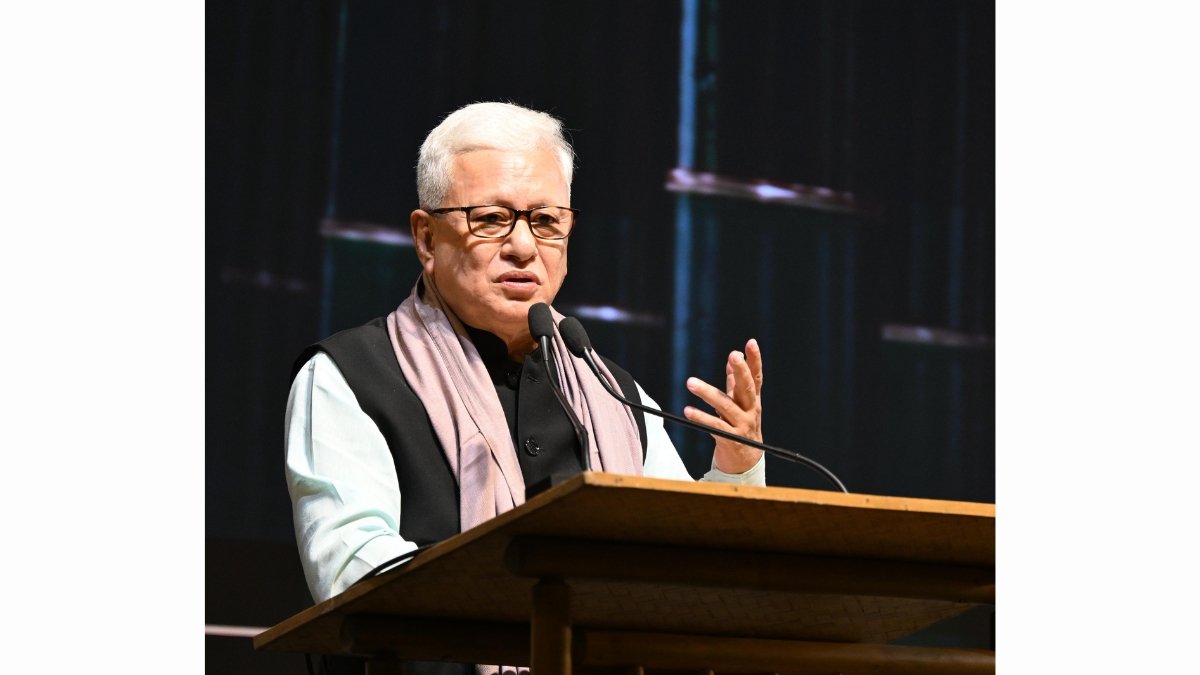
Padma Reddy Sama, Co-Founder of India’s First Sovereign AI Cloud Provider, BharathCloud
Hyderabad (Telangana) [India], April 29: The global economy is absorbing the impact of what is being described as the largest energy shock on record, with growth projected to slow to 3.2% in 2026 from 3.4% the previous year, as per the S&P Global report. Disruptions across West Asia are rippling through industries worldwide, particularly those dependent on stable and uninterrupted power. Nowhere is this more evident than in digital infrastructure, data centres and cloud systems that form the backbone of the modern economy, where even minor energy volatility can translate into significant operational risks and rising costs.
These data infrastructure systems are engineered for near-zero downtime, making consistent energy supply not just a utility but a critical dependency. This assessment is reinforced by a recent report from S&P Global, highlighting how energy instability is increasingly shaping the trajectory of cloud and AI infrastructure globally.
West Asia’s role as a key global oil and gas hub means rising geopolitical tensions are creating new risks for digital infrastructure. Disruptions in energy supply, due to conflict, supply issues, or price volatility, can directly impact power-dependent systems like data centres and cloud servers. Recent tensions around the Strait of Hormuz show how regional energy issues can quickly turn into operational and financial challenges for global cloud infrastructure.
Padma Reddy Sama, Co-Founder of India’s First Sovereign AI Cloud Provider, BharathCloud, shared, “As AI cloud adoption accelerates globally, energy resilience is becoming just as critical as network reliability. With global growth set to slow to 3.2% in 2026 amid the largest energy shock on record, disruptions in West Asia are pushing organisations to rethink how their data infrastructure is powered. As India’s first sovereign AI cloud provider, we believe building energy-aware, locally resilient cloud ecosystems will be key to ensuring continuity and reducing exposure to external geopolitical risks.”
Energy Infrastructure and the Digital Backbone
While cloud infrastructure is often perceived as virtual, it is deeply rooted in physical systems, particularly energy. Data centres require continuous electricity for servers, cooling systems, and network operations.
A large share of global energy supply chains, especially oil and LNG, passes through geopolitically sensitive regions in West Asia. Any disruption in these supply chains can lead to energy shortages or price spikes, directly impacting data centre operations, especially at a time when the ongoing crisis in West Asia is contributing to what is being described as the largest energy shock on record.
Unlike traditional IT systems, hyperscale data centres operate at massive scales, making them highly sensitive to fluctuations in power availability and cost. Even minor instability in energy supply can strain operations across regions.
From Energy Shock to Cloud Disruption
The relationship between energy supply and cloud performance is immediate and often underestimated. When energy disruptions occur, the immediate consequences include rising electricity costs, power rationing in extreme cases, and increased dependency on backup systems such as diesel generators. For cloud service providers, this translates into higher operational costs and potential risks to uptime.
For hyperscale cloud providers and enterprises running mission-critical workloads, energy instability can lead to reduced efficiency, service slowdowns, or in worst cases, temporary outages. Cloud infrastructure is no longer insulated from geopolitical risks but is increasingly tied to global energy dynamics.
Impact on Global IT Ecosystem & Critical Systems
- Impact on cloud service providers: Energy price volatility increases operational costs for hyperscalers and regional cloud providers, potentially affecting pricing models and service delivery.
- Impact on enterprises and digital businesses: Industries such as e-commerce, SaaS, and fintech rely on always-on cloud environments. Energy-driven disruptions can affect uptime, latency, and customer experience.
- Impact on AI and high-performance computing: AI workloads demand significant power. Energy shortages or rising costs can slow down AI development and deployment globally.
- Impact on outsourcing and IT hubs: Countries like India, which depend on stable cloud connectivity and data infrastructure, may face indirect disruptions affecting service exports and business continuity.
Securing the Cloud Through Energy Stability
As geopolitical risks intensify, energy security is emerging as a core pillar of digital infrastructure planning. Organisations are no longer just evaluating where their data is stored, but how reliably it can be powered. Dependence on energy imports, especially from sensitive regions like West Asia, is exposing systemic vulnerabilities, pushing companies to rethink their approach to power, risk, and long-term sustainability.
In response, cloud providers like BharathCloud, India’s First customised SLM platform, are accelerating the shift toward energy-resilient infrastructure. Investments in renewable energy, localised power generation, and multi-region deployments are helping reduce dependence on volatile supply chains. At the same time, technologies like AI-driven energy optimisation and smarter workload distribution are enabling more efficient and adaptive data centre operations.
Ultimately, the future of cloud computing will depend as much on energy resilience as on technological innovation. As global uncertainties grow, building infrastructure that is distributed, sustainable, and energy-secure will be critical to ensuring uninterrupted digital services and long-term business continuity.
If you object to the content of this press release, please notify us at pr.error.rectification@gmail.com. We will respond and rectify the situation within 24 hours.