







Why Staying Active Through Sports Matters More Than Ever
Mumbai (Maharashtra) [India], July 23: Not long ago, I ended up at a community hall watching a group of retirees play badminton on a random weekday. There were no medals or trophies at stake. They were really just chasing connection—a reason to get up, see familiar faces, and move a little before the afternoon slipped away. That moment stuck with me. Honestly, it says more about why sports matter today than any statistic ever could.
We’ve Engineered Movement Out of Daily Life
The way daily life works now, you barely have to move if you don’t want to. Groceries show up at your door. Meetings happen on a laptop. Entertainment? It’s right there on your phone. None of that’s bad, but it’s easy to lose sight of how much activity we’ve quietly stripped out of everyday life.
The World Health Organization keeps sounding the alarm: We’re just not moving enough, and it’s making us sicker. That’s not just a lecture—it’s the real result of a life where bodies built for action spend more and more time sitting still.
Sports step in here in a way forced “exercise” never really does. Most people don’t drag themselves to a weekly football match because they feel guilty. They go because it feels good—to compete, to laugh, to move together. Nobody has to force it.
It’s Not Just the Body—It’s the Mind
If you run, you know the deal: a bad day just doesn’t look quite so bad after you sweat it out. That’s not some old wives’ tale. Exercising kicks in the body’s happy chemicals, helps you sleep, and keeps stress in check. That’s why therapists are telling people to get moving—and not as a substitute for other help, but as an extra tool.
Think about those “walking football” teams at English clubs for seniors, including folks struggling with depression or early dementia. They don’t just walk away fitter. They get that sense of belonging back—the feeling that someone notices when they don’t show up. That’s community. And sometimes, it makes just as much difference as any physical change.
Real Examples Worth Seeing
Iceland’s Youth Sports Revolution. Back in the late ‘90s, Iceland had sky-high rates of teen substance use. To turn it around, the country invested hard in sports, music, and art programs—and tightened curfews. Over the next two decades, teenage smoking and drinking plummeted. Sure, there were a few ingredients, but sports were a big one. Give kids something real to do, and things change.
Morning Stretch in Japan. Look at companies in Japan—they’ve been leading group stretching sessions before work for ages. It’s quick, it’s simple, it’s almost cheesy. But it works: a short burst of movement that brings people together, costs nothing, and makes a difference.
The Marathon Boom. Cities across the planet—Mumbai, London, Chicago—now see crowds of amateurs signing up for marathons. Most of these runners aren’t winning anything. They’re in it for the training: the early alarms, the tiny improvements, the community. That slow, patient progress is the real prize.
Sport Builds Something That Schedules Don’t
If you’ve ever tracked your steps or calories, you know the drill: it works, right up until it just… doesn’t. For a lot of people, staring at stats loses its charm fast. Sport sneaks past all that. It brings in rivalry, teamwork, actual fun—and the subtle thrill of realizing you’re just a little better this month than last.
Think about Serena Williams. Tennis didn’t just give her a strong body. She built a global career, a voice, and a business from a game she started as a kid with her sister on public courts. Or Roger Federer—if you listen to him reflect, he keeps talking about friendships and memories alongside the wins. They’re proof: when movement is something you choose, not something you drag yourself through, it sticks.
So, If You’re Reading This at a Desk
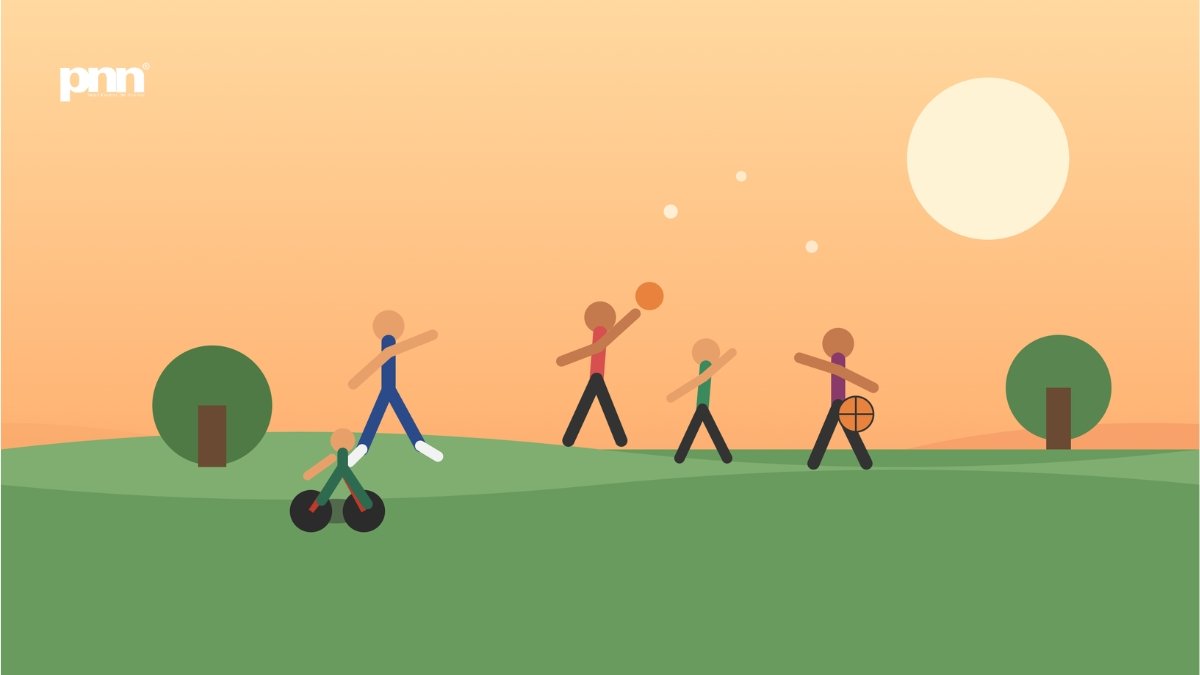
You don’t need an arena. You don’t need a coach. Find a regular game of , cycle with a group on weekends, join a swimming club. Make it routine and give yourself a reason—not just a nagging obligation.
The health guidelines say 150 minutes of moderate activity a week, but the number is less important than building a habit. The person who plays tennis twice a week for years will end up healthier than the one who hammers the treadmill for a month and then stops.
The Bottom Line
Sports aren’t just for the young or the naturally gifted. They’re for anyone who wants to show up for themselves and others, mind and body, all at once. In a world where sitting still has become the norm, moving—through a game, a run, a swim, whatever you enjoy—isn’t really about performance anymore. It’s about staying connected and whole. And that’s something we could all use.