





This commerce background Founder took roots in technical manufacturing and built a 150,000 sq ft factory
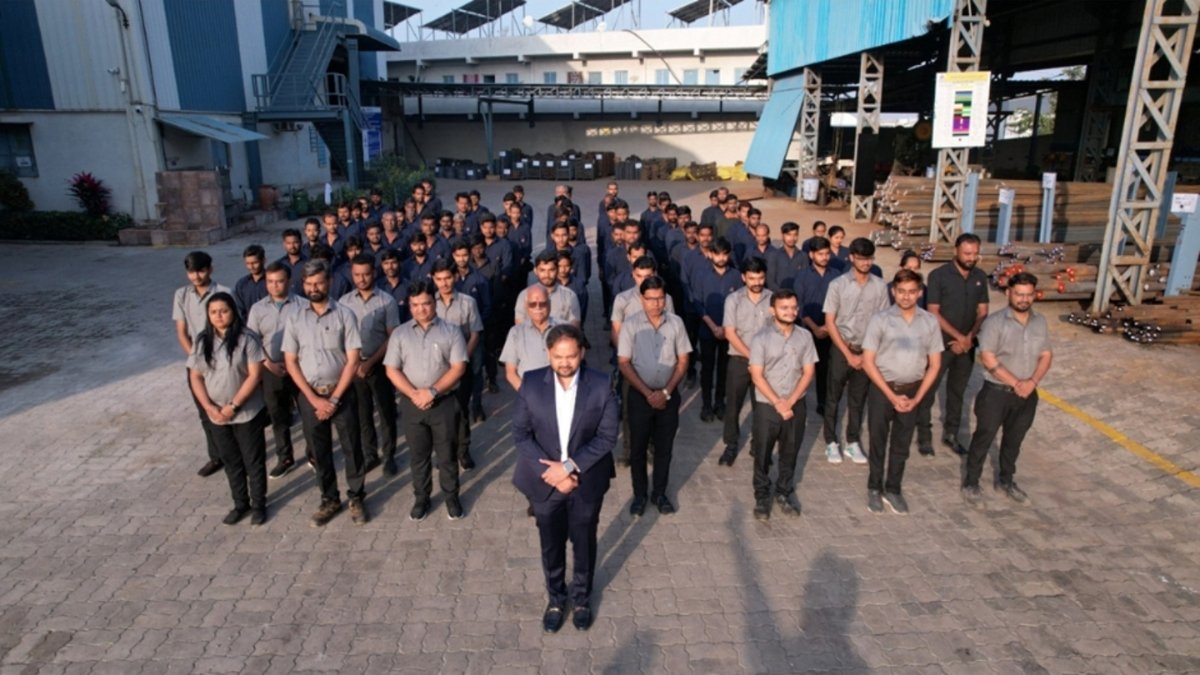
New Delhi [India], April 28: Most founders will tell you building a manufacturing company requires a deep technical knowledge to start a precision manufacturing unit. Maulik Shah, Founder and Managing Director of Aditya Engimach, did not follow that playbook. Starting from a 7×8 sq ft room in 2010 with a small machine shop and a very simple principle at heart: build the market first, spend the capital second.
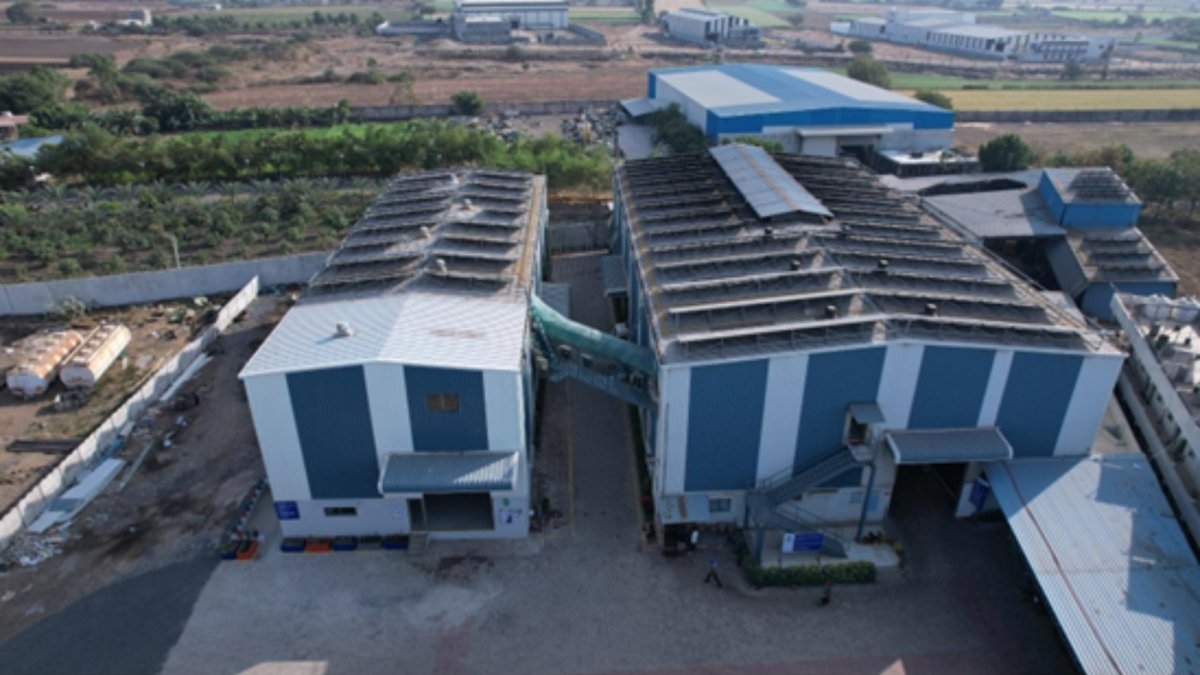
He has grown Aditya Engimach into a 1,50,000 sq ft, AS9100-certified precision forging factory serving 60+ clients across the globe.
From a 7×8 room to a factory Floor: The bottleneck: When Maulik started Aditya Engimach, the operational challenges were not what most people expected. The first and most critical bottleneck was funding, followed closely by the challenges to build the right team at the right time.
“The major constraint in any start-up is finance, because you can have a clear plan but the challenge is always cash flow and liquidity,” Maulik reflected in a LinkedIn post.
In the initial 3 years, the company ran on informal structures. The first major system Maulik put in place was the HRMS (Human Resource Management System) to find the right people in the right seats.
Maulik’s approach to financial constraint was quite unconventional. Rather than going to a bank or approaching investors, he built the market first. From 2013 to 2017, Aditya Engimach developed its customer base, established its reputation, and generated its own revenue. Only then, in 2018, did Maulik commit to building the large factory.
When COVID hit two years after the factory opened, it tested his model severely as workers returned home, new hiring froze, and cash flow tightened. However, Maulik managed through with family support and internal reserves.
The Breakthrough: Multi-segment presence: The single biggest breakthrough at Aditya Engimach,was a market strategy that most manufacturing founders get wrong by concentrating too heavily on one segment or one anchor client.
“The operations remain identical. The requirements evolve.
This is the real power of operating in multiple segments.”
Maulik and his core team of four members identified 5 target segments, mapped prospect companies, and approached them systematically as intro profiles, RFQs, quality audits, commercial codes, NPD approvals. The process for onboarding a major industrial client like Reliance Industries, for instance, required navigating purchase teams, quality teams, and operations teams across multiple meetings and visits.
International clients required vendor questionnaires, financial position checks, reliability assessments. Maulik treated each as an investment in a long-term relationship.
The result is a factory that is not dependent on any one industry cycle. When one segment slows, others hold. That resilience is now one of Aditya Engimach’s most durable competitive advantages. Additionally they hold 15+ certifications and approvals from various authorities. The most significant ones being AS9100, IBR (Indian Boiler Regulations), Power Grid Approval, and ZED Silver (Zero Defect Zero Effect certification)
The Playbook: What every manufacturing entrepreneur must fix: After 15 years of building Aditya Engimach, Maulik has a clear, unsentimental view of why manufacturing startups fail and what to fix first.
Fix 1: founder hunger and product clarity before everything else: Without a founder who is obsessive about their market and clear about what the factory exists to produce, no system, no machine, and no investment will create a scalable business.
Fix 2: think techno-commercial, not just technical: You must pair your technical expertise with commercial thinking. It turns precision into growth. These questions can help you check your roadmap:
How do you reach break even?
What is your revenue target?
How does your R&D translate into scale?
Fix 3: build the market before the factory: The most counterintuitive lesson from Maulik’s journey is the sequence. He built the customer base first, then committed the capital. So, when the factory doors opened in 2018, there were already orders waiting.
Fix 4: systems, data, and relentless follow-through: His factory runs on a DIKW philosophy, Data, Information, Knowledge, and Wisdom. Every department tracks production, losses, maintenance, and expenses. Monthly management review meetings are data-driven. The discipline of measurement is what allows a factory to improve without chaos.
Founders like him are proof that Indian manufacturing is on its way to be the first choice in every global segment. Because there are men and women on factory floors across this country who decided years ago that the global standard was the only one worth building towards.
If you object to the content of this press release, please notify us at pr.error.rectification@gmail.com. We will respond and rectify the situation within 24 hours.