







Sales Funnel for Beginners: How Customers Move from Click to Conversion
New Delhi [India], April 11: A beginner’s sales funnel isn’t a diagram. It’s a sequence of decisions, many of which are invisible, where attention becomes intent, and, if you know how to handle it, intent becomes revenue. Drop one step, and the whole funnel leaks.
At its simplest, a funnel answers one question: why does a stranger trust you enough to buy?
The Shape of a Funnel (And Why It Matters)
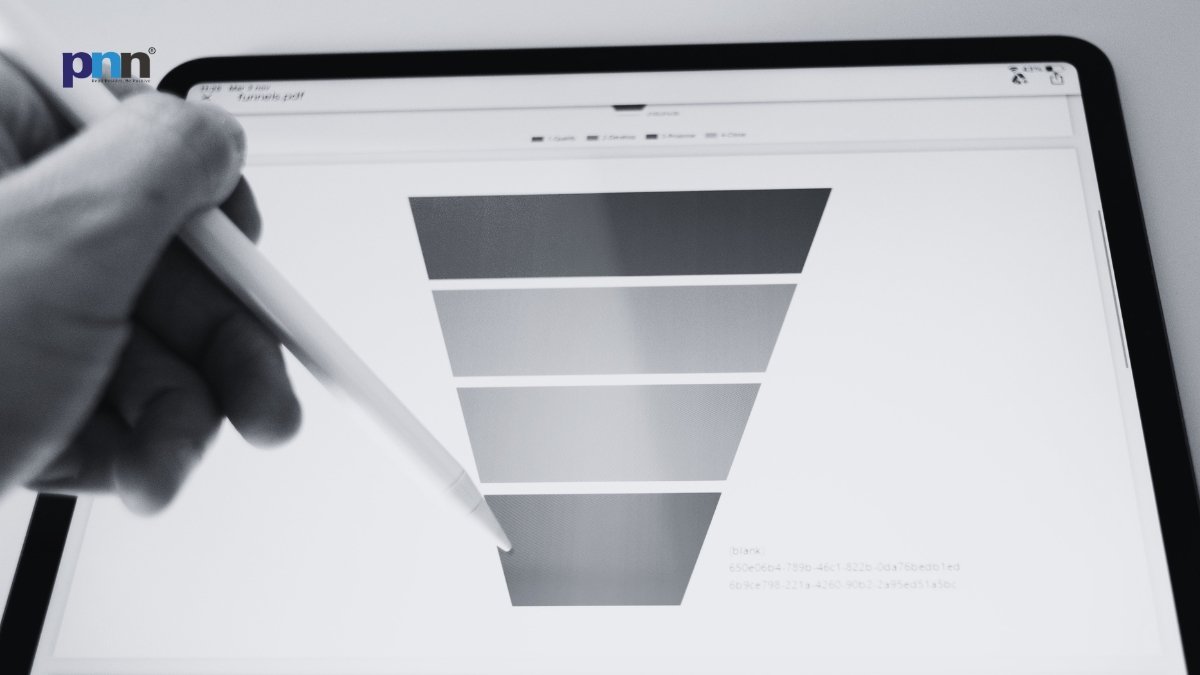
Think of a funnel as controlled movement:
| Stage | What Happens | User Mindset | Your Goal |
|---|---|---|---|
| Awareness | User discovers you | “What is this?” | Capture attention |
| Interest | They engage with content | “This is useful” | Build trust |
| Consideration | They compare options | “Should I choose this?” | Reduce doubt |
| Conversion | They take action | “I’m ready” | Close sale |
| Retention | They return | “This worked” | Build loyalty |
Most beginners focus only on the bottom—sales.
But funnels fail at the top.
Stage 1: Awareness — Where Attention Is Won or Lost
This is where strangers meet you for the first time.
Sources:
- Google search
- Social media
- Ads
- Referrals
The mistake: trying to sell immediately.
At this stage, users are not ready. They are exploring. Your job is to enter their problem space, not push your solution.
Example:
Instead of “Buy our SEO service”
→ “Why your website isn’t ranking (and how to fix it)”
You are not selling.
You are positioning.
Stage 2: Interest — Turning Attention into Trust
Now the user stays.
They read. They scroll. They evaluate.
This is where content matters most:
- Blog articles
- Guides
- Videos
- Case studies
Your job here is simple:
Answer better than everyone else.
Key elements:
- Clarity
- Depth
- Relevance
This is where most drop-offs happen. If your content is shallow, the funnel collapses silently.
Stage 3: Consideration — The Moment of Doubt
The user is now thinking:
“Is this the right choice?”
This is the most fragile stage.
They compare:
- Your product vs competitors
- Price vs value
- Risk vs reward
Your role:
- Remove friction
- Build confidence
Tools that work:
- Testimonials
- Reviews
- Comparisons
- FAQs
| Trust Element | Impact |
|---|---|
| Testimonials | Social proof |
| Case studies | Real-world validation |
| Guarantees | Risk reduction |
| Clear pricing | Transparency |
This is not persuasion.
This is reassurance.
Stage 4: Conversion — Where Decisions Become Action
Conversion is not just “buy now.”
It can be:
- Signing up
- Booking a call
- Downloading a resource
At this stage, simplicity wins.
Checklist:
| Element | Requirement |
|---|---|
| CTA | Clear and visible |
| Page speed | Fast |
| Form | Minimal fields |
| Payment | Smooth process |
Every extra step reduces conversions.
Every confusion kills momentum.
Stage 5: Retention — The Forgotten Multiplier
Most beginners stop after the sale.
That’s a mistake.
Retention is where profit compounds.
Why?
| Metric | Impact |
|---|---|
| Repeat customers | Higher lifetime value |
| Referrals | Free traffic |
| Trust | Faster future conversions |
Retention tools:
- Email follow-ups
- Loyalty offers
- Consistent value content
A good funnel does not end.
It loops.
Common Beginner Mistakes
| Mistake | Result |
|---|---|
| Selling too early | Low conversions |
| Weak content | High bounce rate |
| No trust signals | User hesitation |
| Complicated checkout | Drop-offs |
| Ignoring retention | Lost revenue |
Simple Funnel Example (Realistic)
Let’s break it down:
- User searches: “how to earn online”
- Finds your article
- Reads guide → trusts you
- Clicks “freelance writing course”
- Reads testimonials
- Buys course
- Gets email series → upsell later
That’s a funnel.
Not complex. Just structured.
FAQ (For Quick Answers & Snippets)
What is a sales funnel in simple words?
A sales funnel is the step-by-step journey a customer takes from discovering your brand to making a purchase.
How do beginners create a sales funnel?
Start with content (awareness), build trust (interest), add proof (consideration), simplify action (conversion), and follow up (retention).
Why is a sales funnel important?
It organizes customer flow, improves conversions, and helps turn traffic into consistent revenue.
Do I need tools to build a funnel?
Not initially. You can start with content + simple landing pages. Tools help scale later.
Final Insight
A sales funnel is not about pushing people forward.
It is about removing reasons to leave.
When each stage aligns with what the user needs at that moment, movement happens naturally. No force. No friction. Just progression.
And that is where beginners stop guessing—and start converting.