




Celebration of humanity by PP Savani family: 133 fatherless daughters married at mass wedding ceremony
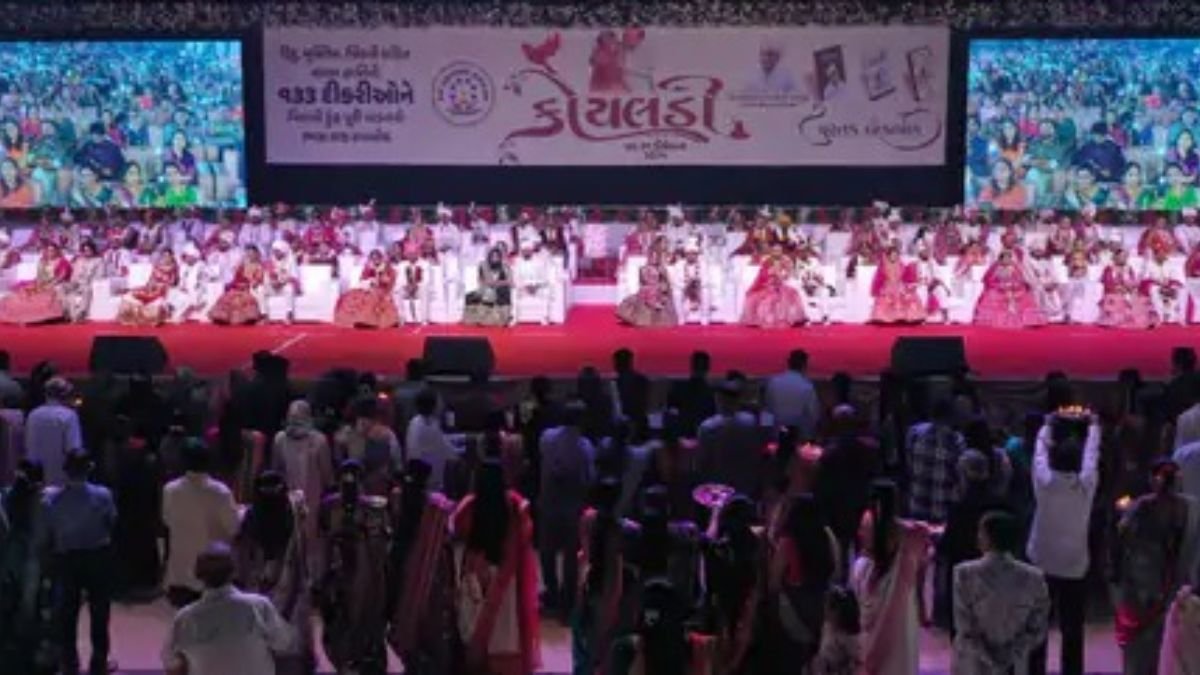
Surat (Gujarat) [India], March 07: In an emotional celebration of compassion and social responsibility, the PP Savani family, led by renowned philanthropist Mahesh Savani, organised the two-day “Koyaldi” mass wedding ceremony in Surat, where 133 fatherless daughters were married with dignity and affection in December.
Held at the PP Savani Chaitanya Vidya Sankul, the event brought together daughters from 37 communities across four states and 17 districts, highlighting a spirit of unity that went beyond religion, caste and region. The ceremony marked another milestone in the Savani family’s long-running social initiative, which has supported the marriages of 5,539 fatherless daughters over the past 18 years.
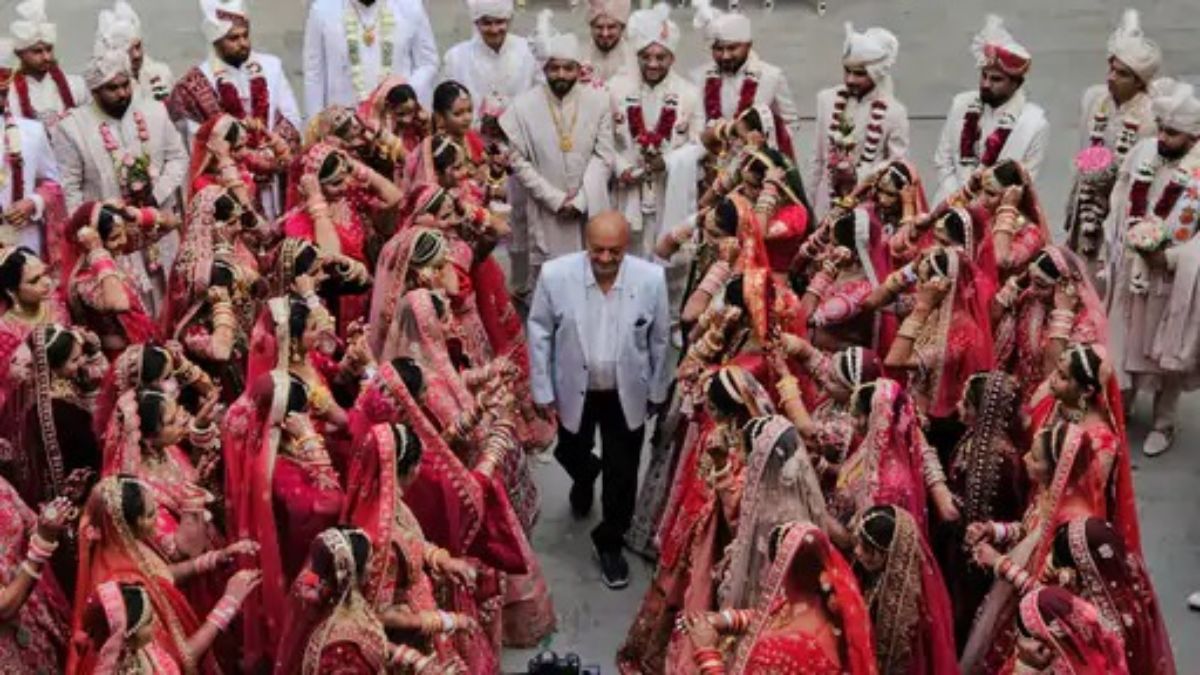
The marriages took place over two days, with 55 brides married on December 20 and 56 on December 21, while 22 daughters from Saurashtra were also supported with wedding arrangements. Around 90% of the brides had neither a father nor a brother, making the initiative particularly significant for families lacking traditional support systems.
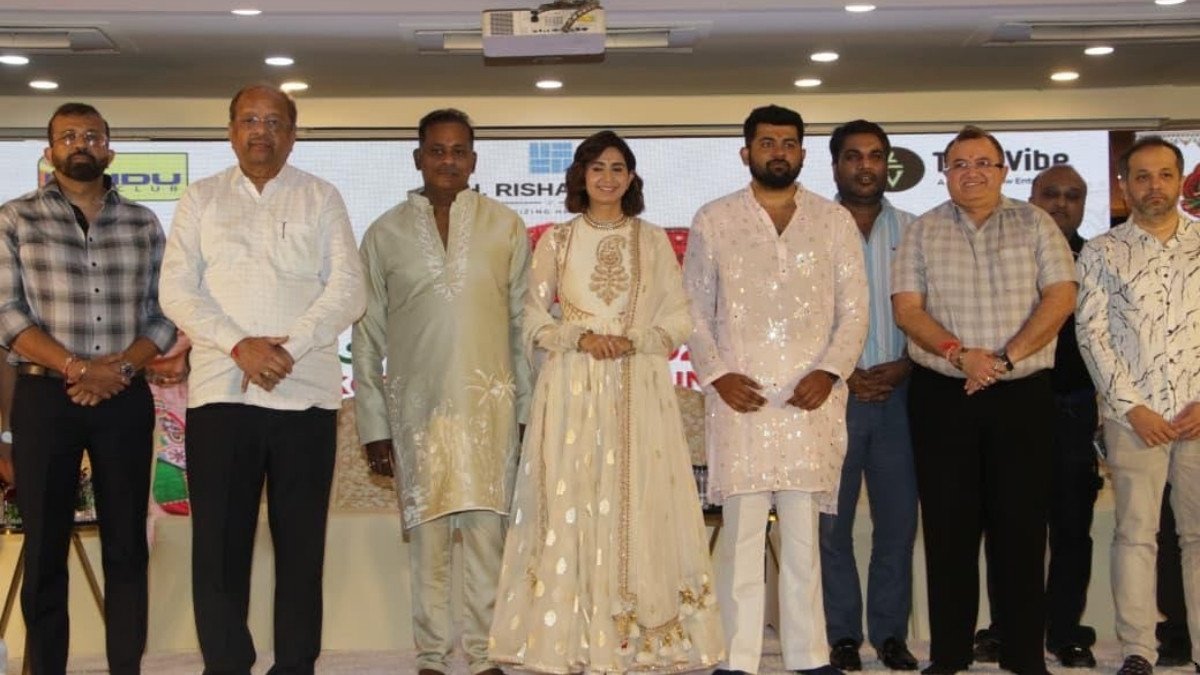
The event was attended by several prominent dignitaries, including Deputy Chief Minister Harsh Sanghavi. Addressing the gathering, he described the initiative as a powerful example of humanity in action.
“For daughters who have lost the protection of their fathers, Maheshbhai Savani has become a father figure. This continuing service initiative stands as a symbol of compassion and social commitment,” he said.
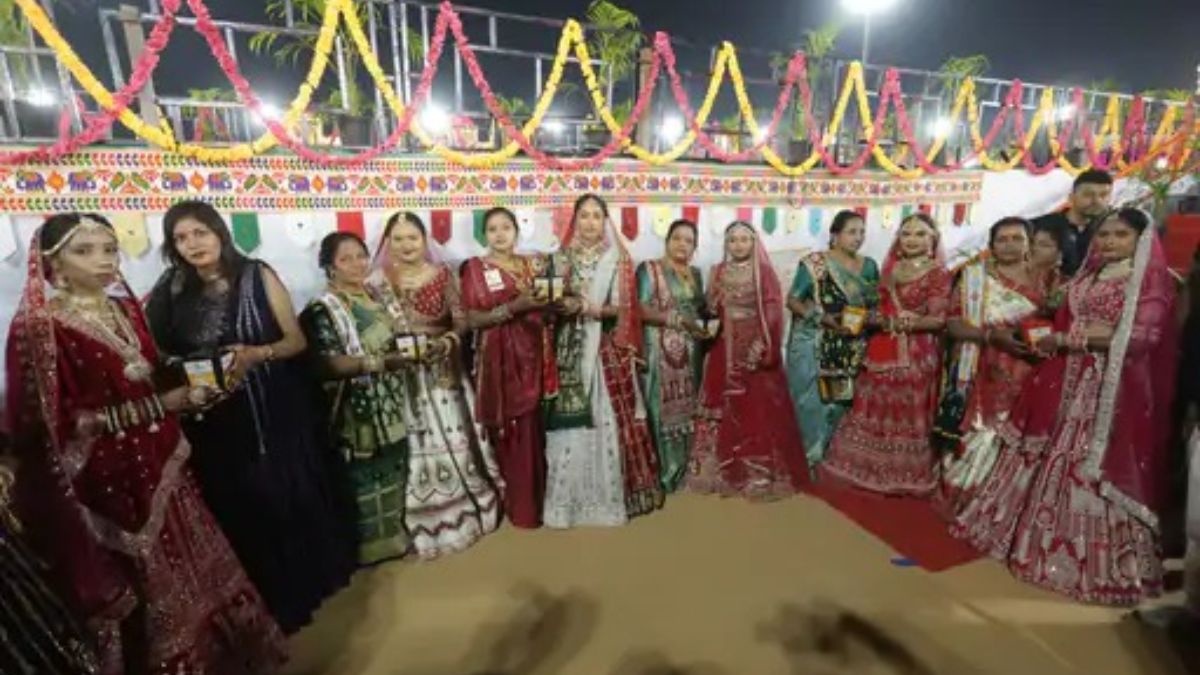
Mahesh Savani, widely regarded as a guardian father to thousands of fatherless daughters, said, “Placing a hand of blessing on a daughter’s head at her wedding is an act as sacred as undertaking a pilgrimage. Marriage is not merely a ritual but the beginning of a lifelong relationship where society must continue to support and guide these daughters.”
The ceremony brought together daughters from Hindu, Muslim and Christian communities, including differently-abled brides. Marriages were conducted according to their respective religious customs, including nikah ceremonies for Muslim couples.
Members of the Savani family performed the traditional brother’s role during the wedding rituals for brides who did not have brothers, ensuring that every bride experienced the warmth and symbolism of family traditions.
One of the most touching moments of the ceremony was the introduction of a new tradition known as the “Tulsi Kyaro”. Women welcomed their daughters-in-law by presenting them with a tulsi plant, symbolising acceptance and the beginning of a nurturing mother-daughter relationship. The gesture represented a pledge by families to treat daughters-in-law with care, dignity and affection.
The programme also highlighted important social messages. Thalassemia tests were conducted for couples before marriage to help prevent the hereditary disease. Another meaningful moment occurred during the ceremonial lamp lighting on the second day, when 11 women from families who had pledged organ donation lit the lamp in association with the Jeevandeep Organ Donation Foundation. The gesture demonstrated the importance of organ donation in saving lives.
The ceremony also witnessed the simultaneous release of three books chronicling the lives and service journey of the Savani family. These included Aarohan, a biography of Vallabhbhai Savani, Preranamurti, documenting the life and philanthropic work of Maheshbhai Savani, and Koyaldi, a collection of letters written by fatherless daughters expressing their emotions and experiences.
The most emotional moment came during the farewell ceremony, when the brides approached Maheshbhai Savani with tears in their eyes. Blessing each daughter, he assured them that the family’s support would continue even after their marriage.
The initiative also extends beyond the wedding ceremonies. A community network called Seva Sangathan, comprising nearly 11,000 members, supports couples married through the programme by providing assistance in times of financial hardship and by facilitating access to education, healthcare and counselling for their families.