










The Real Reason Cavities Keep Coming Back Even When You Brush
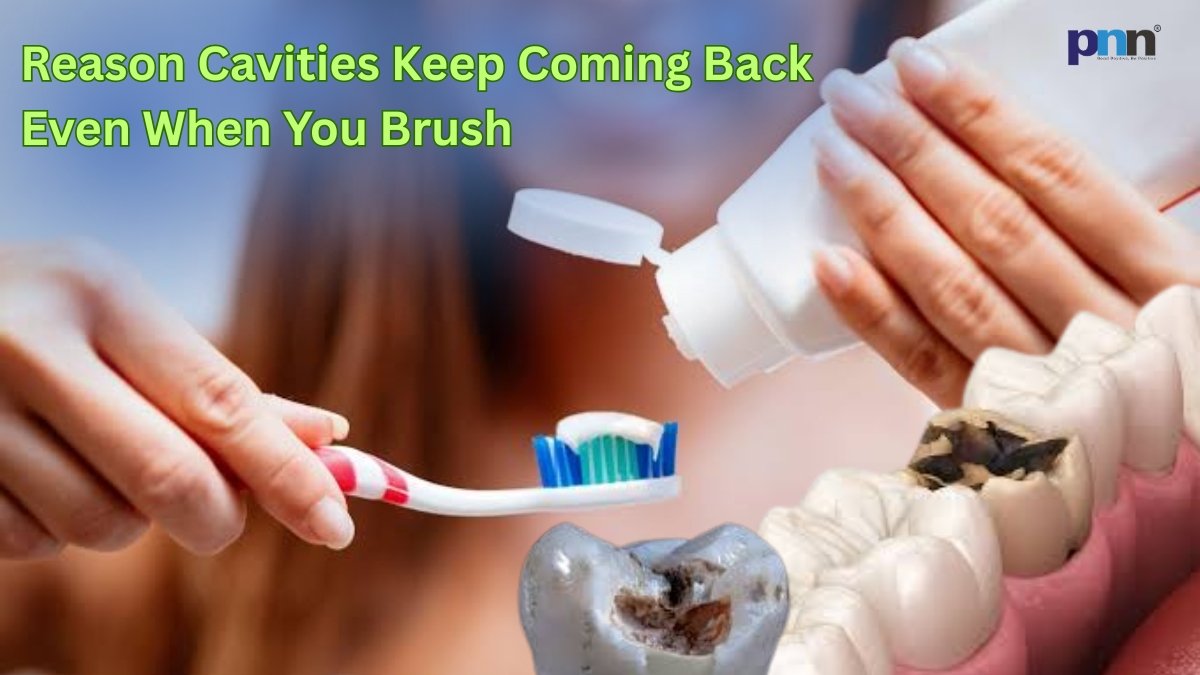
New Delhi [India], January 24: People cling to brushing like it’s a moral act. Twice a day. Good person. Clean conscience. Still gets cavities and feels betrayed by the universe. I’ve seen this play out more times than I can count, usually in that stiff dental chair with the paper bib and the faint smell of disinfectant and regret.
Here’s the blunt truth: brushing isn’t the deciding factor anymore. Not for adults. Not once you’ve been doing it consistently for years. Cavities that keep coming back aren’t a hygiene failure. They’re a system failure. Mouth chemistry, habits stacked on habits, and timing no one wants to think about.
The mouth isn’t a neutral environment. It’s a negotiated truce between bacteria, saliva, enamel, and whatever you keep throwing in there all day. Brushing shows up twice. Maybe three times if you’re anxious. The rest of the day? That’s when the real damage gets done.
People snack constantly now. Not “eating,” snacking. A handful of almonds. A protein bar. A splash of oat milk in coffee at 11:17 a.m. Another at 1:42. Sips of something vaguely acidic are carried around like an accessory. Each exposure nudges the pH downward. Enamel doesn’t crack dramatically; it softens, slowly, quietly. No alarm goes off. You feel nothing. By the time a cavity shows up on an X-ray, the process has been underway for months.
And saliva matters more than anyone wants to admit. Dry mouth isn’t just uncomfortable; it’s destructive. Medications cause it. Stress causes it. Breathing through your mouth all night because your nose has been half-blocked since 2019 definitely causes it. Saliva is the buffer. It neutralises acid. It carries minerals back into enamel. When it’s reduced, brushing becomes ceremonial. Symbolic. Nice, but insufficient.
Flossing helps, sure, but that’s not the revelation people think it is. Cavities between teeth aren’t appearing because you skipped flossing once or twice. They’re forming because the plaque biofilm had time to develop. Time beats effort almost every time. You don’t disrupt it often enough, and it reorganises. Bacteria are patient. More patient than you.
There’s also the uncomfortable fluoride conversation. Toothpaste concentration matters. Water fluoridation matters. But once enamel is compromised, brushing with standard toothpaste becomes maintenance, not repair. The myth that enamel “regenerates” needs to die. It remineralises under ideal conditions. Ideal conditions that almost no adult consistently has.
Nighttime is another blind spot. You brush. You feel responsible. Then you sleep with a dry mouth, reduced saliva flow, and maybe a faint coating of whatever you last consumed lingering behind your molars. Eight hours is a long time in bacterial terms. That’s not rest; that’s opportunity.
And let’s not pretend genetics isn’t involved. Tooth morphology matters. Deep grooves trap plaque. Crowding creates hiding spots. Some people can get away with mediocre habits for decades. Others can’t. Fairness was never part of the deal.
Dental work itself can contribute. Old fillings aren’t inert forever. Margins degrade. Microleakage happens. Bacteria don’t need much space. They just need access and time. The cavity isn’t always “new.” Sometimes it’s a continuation, a quiet sequel no one warned you about.
People want a villain. Sugar used to be convenient. Now it’s messier. Frequency matters more than quantity. Acids without sugar still erode. “Healthy” snacks still feed bacteria. The mouth doesn’t care about marketing.
So when someone says, “But I brush,” what they really mean is, “I followed the rule I was taught as a child and expected it to cover everything.” It doesn’t. It never did.
Cavities that keep returning aren’t mysterious. They’re predictable. A product of modern eating patterns, dry mouths, compromised enamel, and the fantasy that two minutes with a toothbrush can undo the other twenty-three hours.
That’s the situation. No redemption arc. No clever hack. Just biology doing what it’s always done when conditions favour decay.
And it will keep doing it.